Documentation of practice.
Degree Show Piece
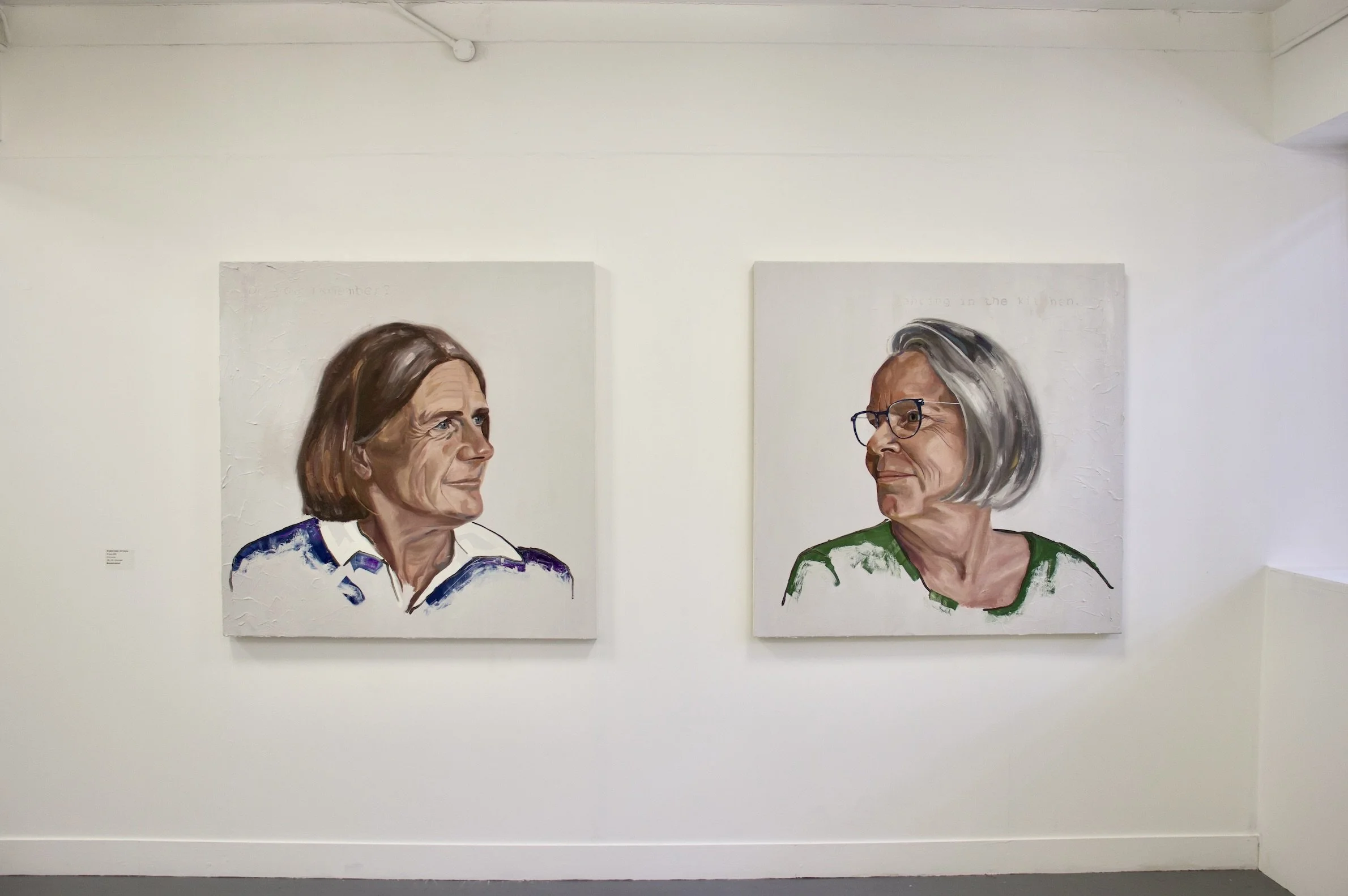
29 Years, 2025, Oil on Canvas, 120 x 120 x 4 cm each.
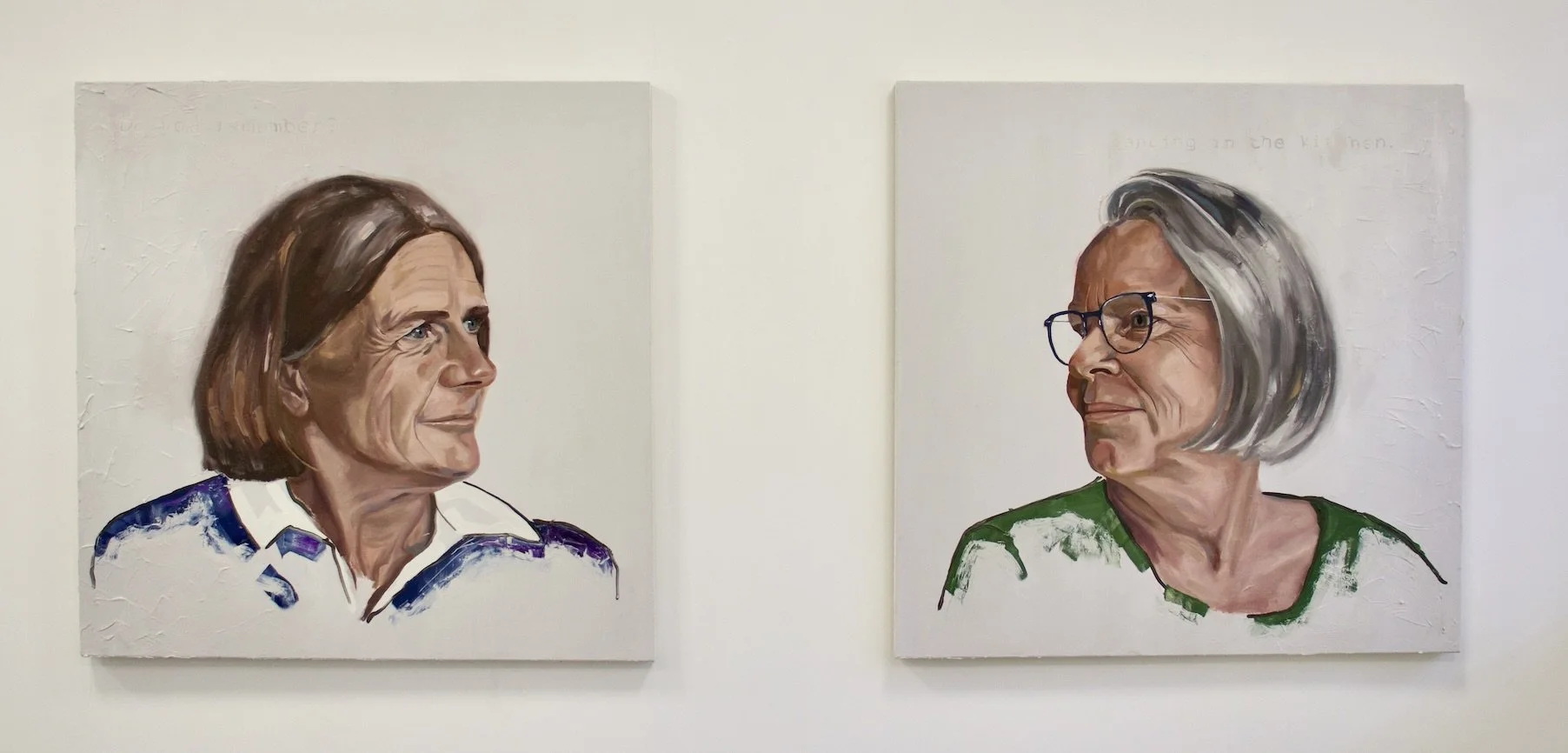
29 Years, 2025, Oil on Canvas, 120 x 120 x 4 cm each.
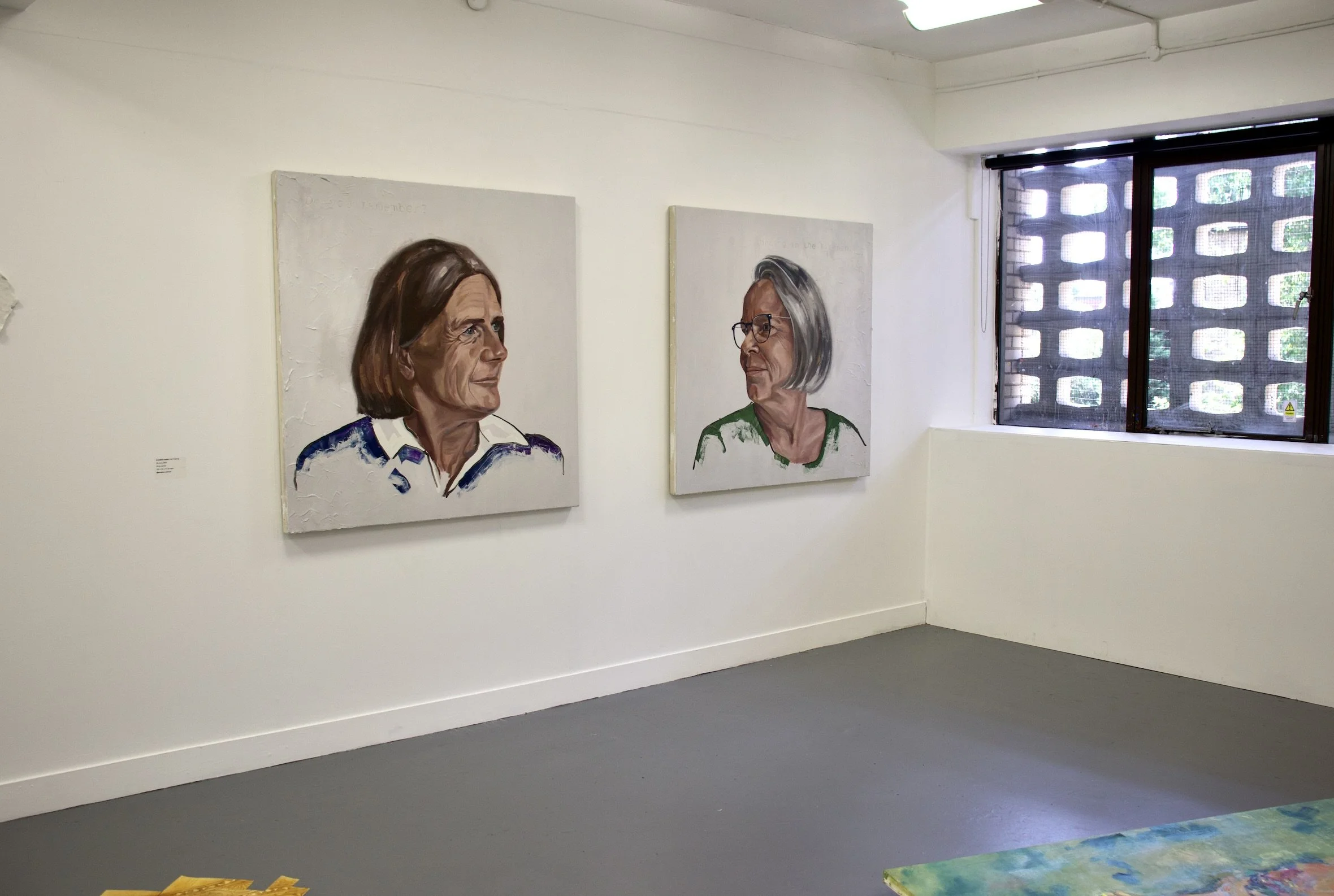
29 Years, 2025, Oil on Canvas, 120 x 120 x 4 cm each.
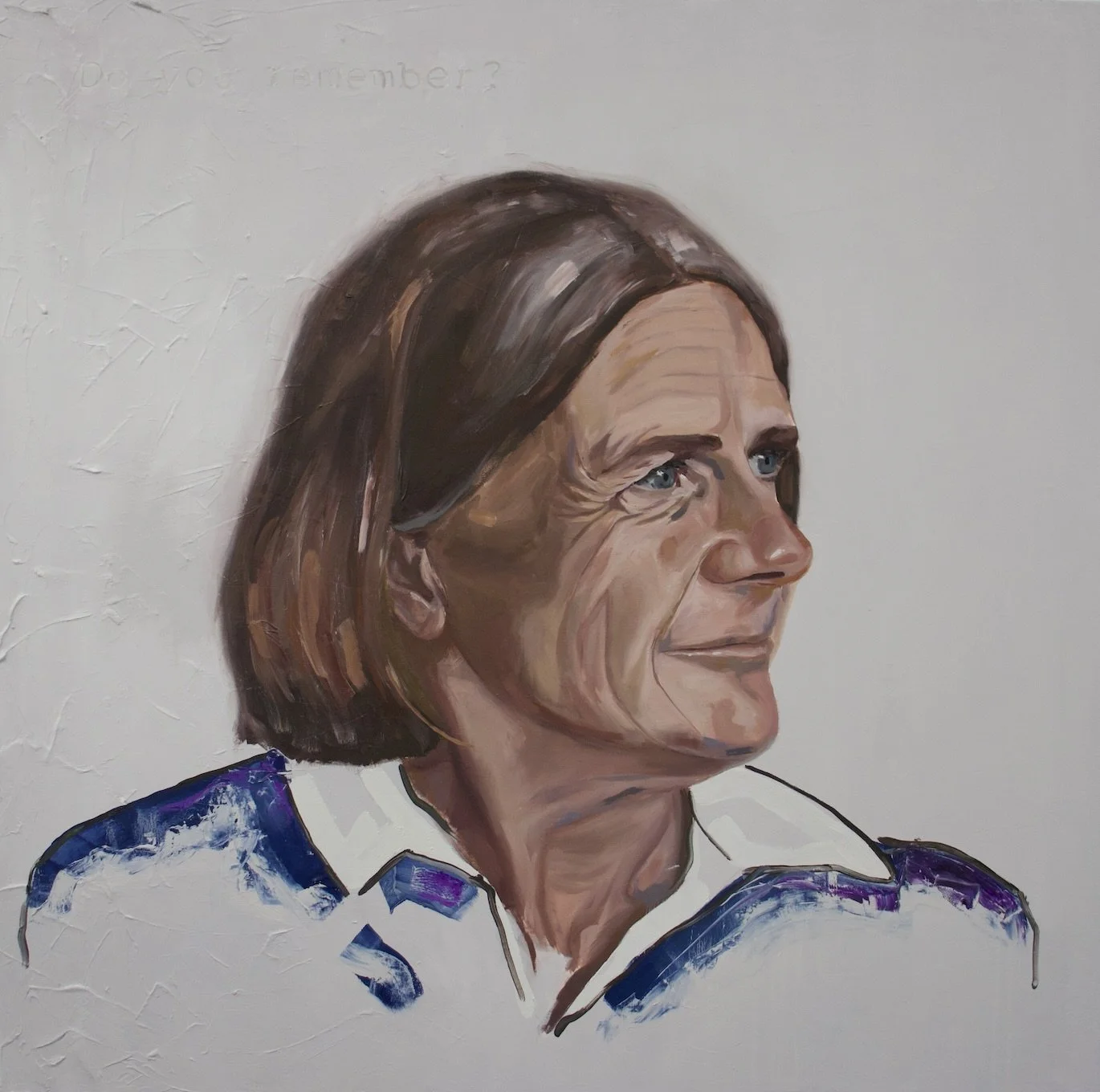
Close up of 29 Years, 2025, Oil on Canvas, 120 x 120 x 4 cm each.
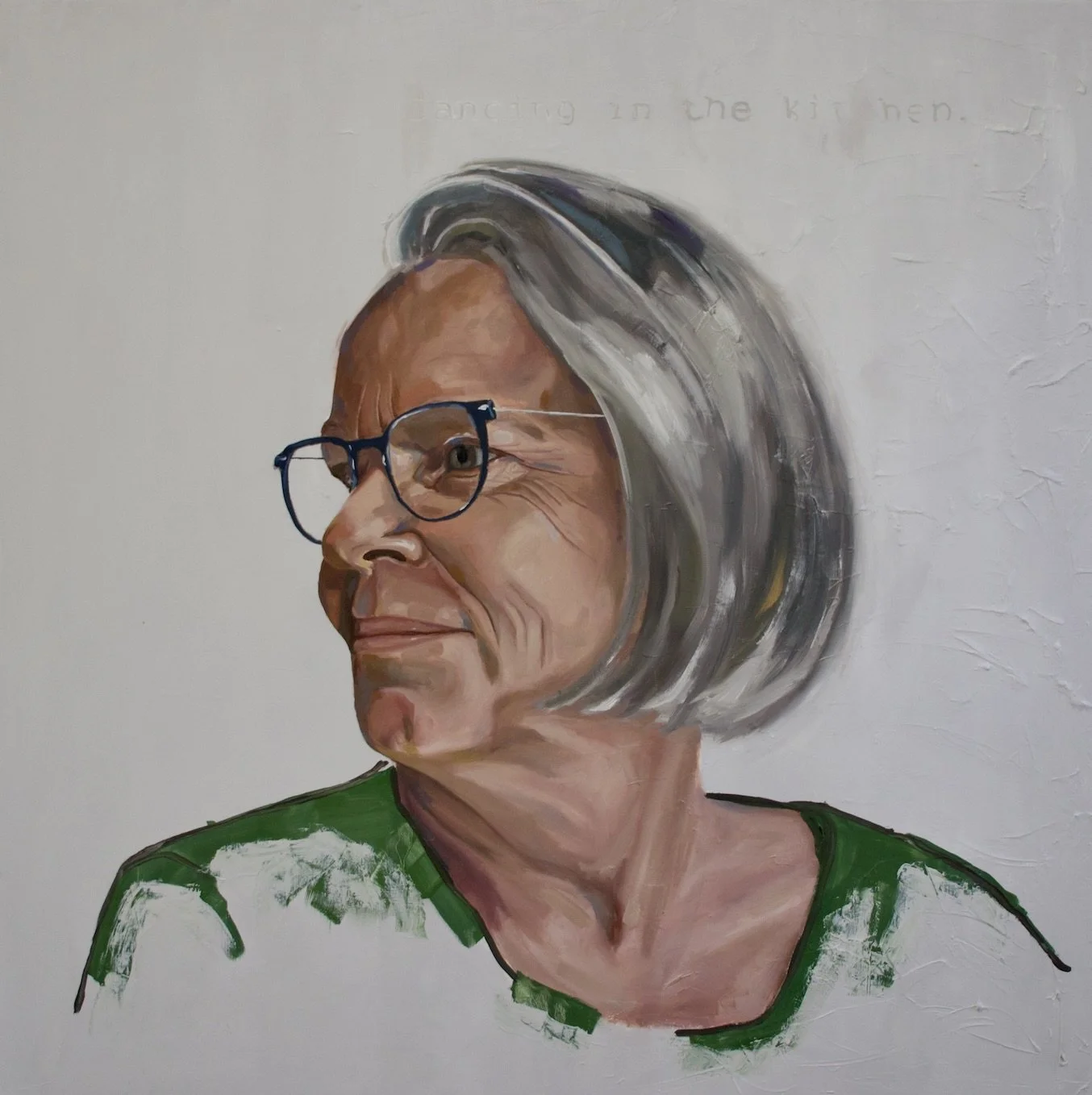
Close up of 29 Years, 2025, Oil on Canvas, 120 x 120 x 4 cm each.
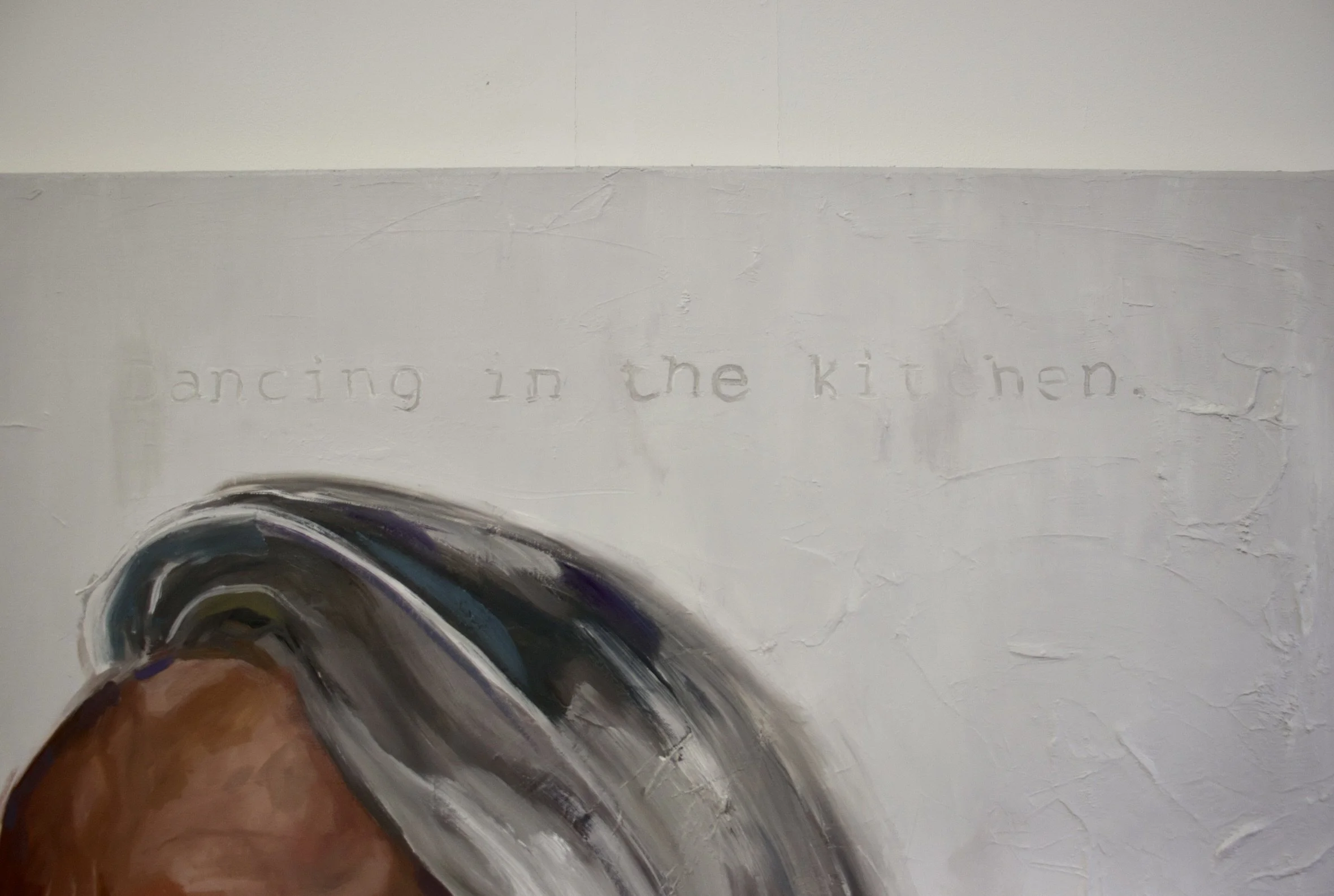
Close up of 29 Years, 2025, Oil on Canvas, 120 x 120 x 4 cm each.
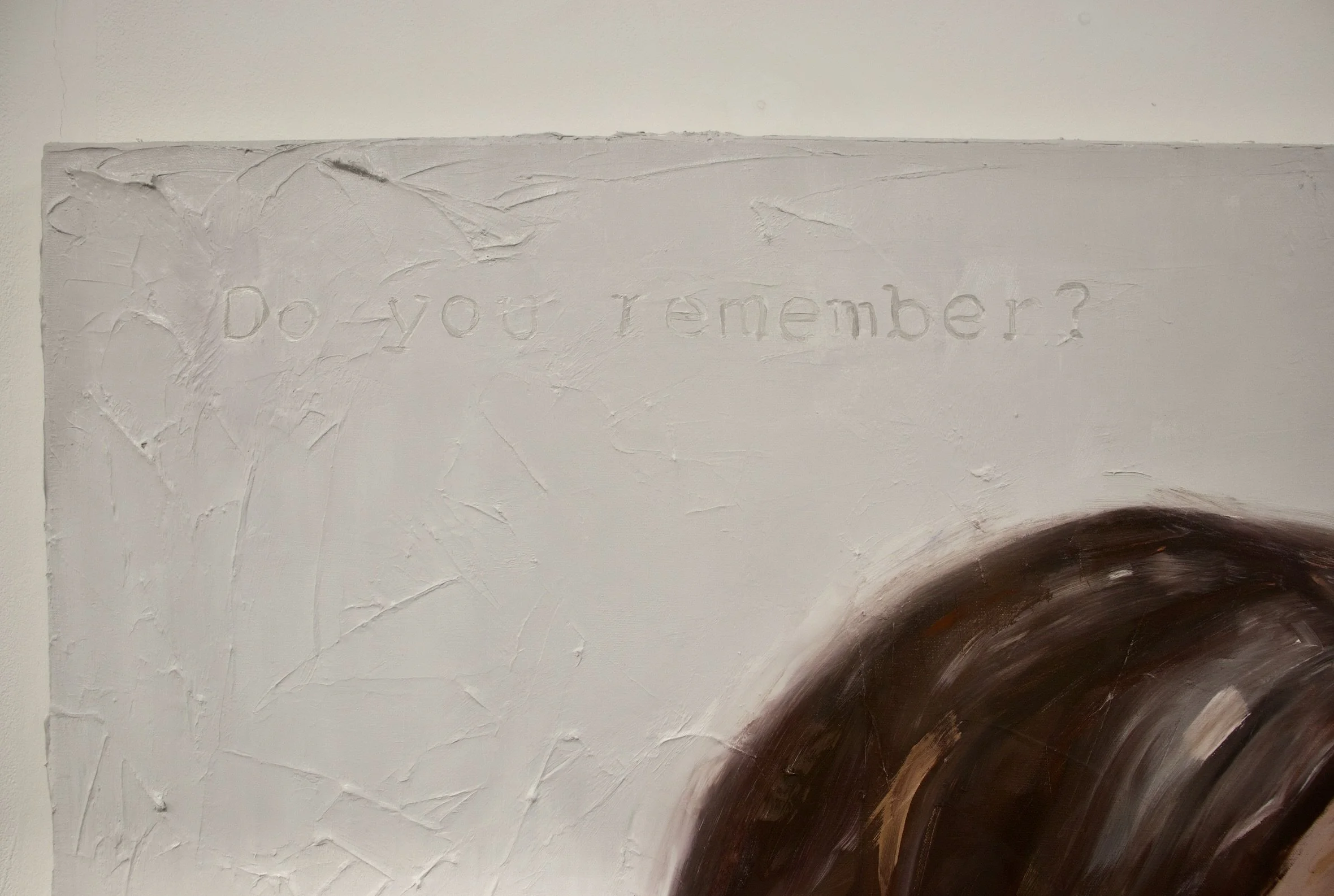
Close up of 29 Years, 2025, Oil on Canvas, 120 x 120 x 4 cm each.
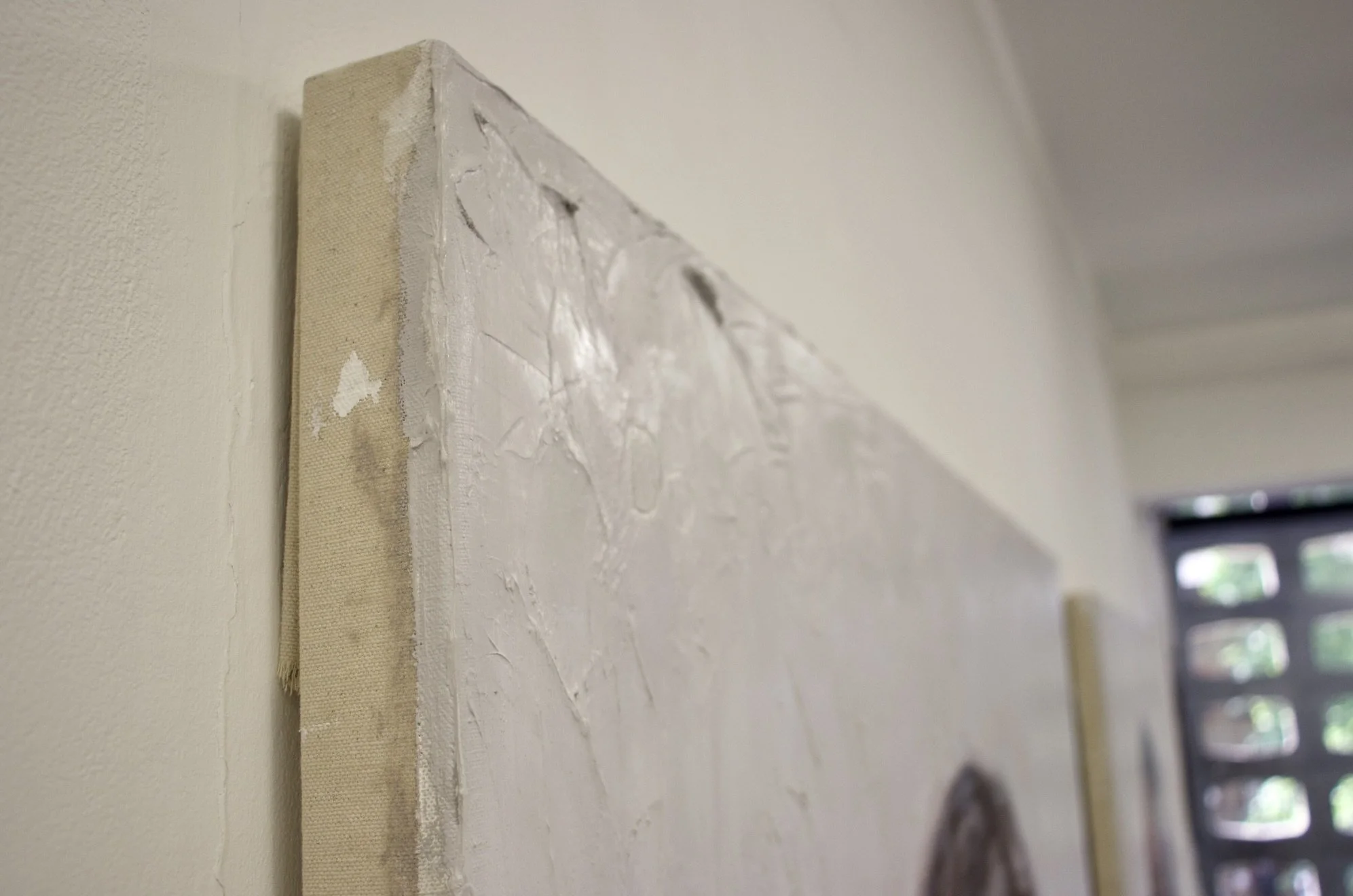
Close up of 29 Years, 2025, Oil on Canvas, 120 x 120 x 4 cm each.
The process of making my degree show piece began with an interview between my godmother Julia and my mother Sian. I came prepared with questions about their friendship and how it has changed over the twenty nine years they have known each other. I was happy for the conversation to be guided by them and so the interview was purposefully informal. Immediately after the interview I did a photoshoot with them.
I recorded our conversation and later transcribed it on word so that I could refer to it easily.
Figure 1. Composition trials.
I chose to paint busts of the women on separate canvases. The decision to split them apart came after a group critique in which it was suggested that placing both figures on the same canvas could create a space so intimate and private it might exclude the viewer. By separating them I wanted to open the work to the viewer and allow more personal engagement with each portrait. The physical gap between each portrait would also speak to the independence of each woman and their individual choice to commit to the friendship over many years.
After deciding on the composition, I practiced how I would draw it up using a grid (Figure 2). I decided after this practice that projection would be more suitable.
I began working on compositions for the painting using cut outs of photos (Figure 1).
On reflection of my Unit 2 research on image text relations, I decided that I wanted to include quotes from the interview on the canvas. The quotes needed to work with the title to help convey the message of the painting, without being overly prescriptive of one interpretation of the work. In the end I chose the following:
Julia: ‘Do you remember…?”
Sian: ‘Dancing in the kitchen.’
I felt these words, in partnership with the title ‘29 years’, conveyed a sense of enduring friendship that has seen the highs and lows of life. The interview featured lots of reminiscing about the ‘silliness’ of their friendship and I felt this quote also captured that.
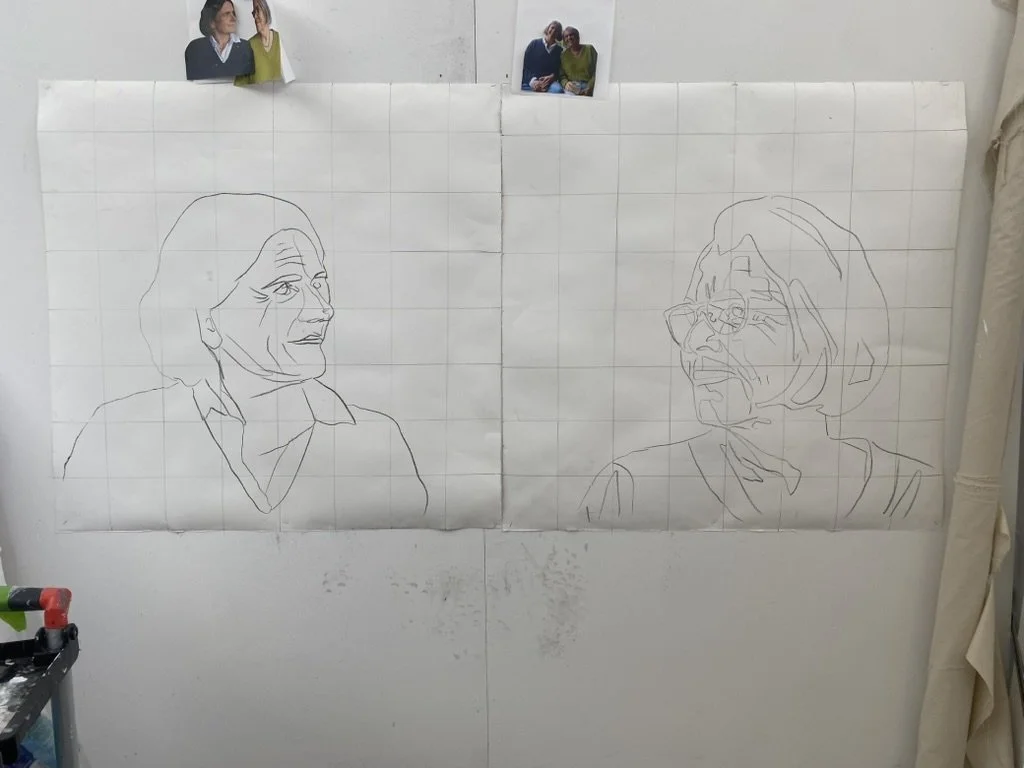
Figure 2. Sketch planning the composition.
In the interview both women described each other as a constant reliable source of comfort in their lives. So I wanted there to be a sense of stillness where their gazes crossed in the paintings. The best way I could think to do this was through absence of texture. I created texture outside this ‘still’ space using acrylic gesso with heavy body acrylic medium (Figure 4).
I practiced how I would transfer the words on to the acrylic using a scrap canvas. A tutorial discussion prompted me to choose traditional theatre script font for the quotes to reference the real conversation they came from. I projected the words in the font onto the canvas and used modelling tools to scrape them into the gesso (Figure 3). I also had to tint the words in order to make them stand out more.
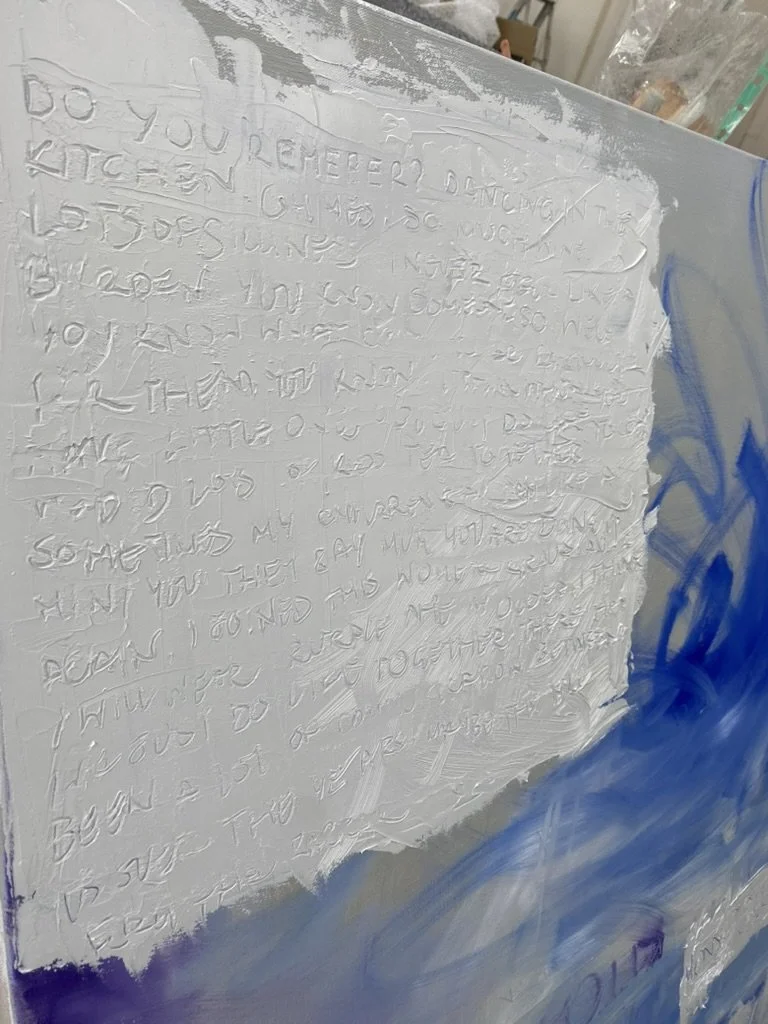
Figure 3. Text engraving trials.
I premixed and tubed a light, mid and dark skin tone that I then used for the duration of the painting. While I never painted straight from these tubes, they were incredibly useful in keeping a consistent tonal range across both paintings, especially as the studio was very hot and my palette dried out quicker than usual.
I spent a long time on the underpainting of each portrait (Figure 5). I was keen to put to use the techniques I had been learning over the year. I taped reference image and quotes from the interview around the painting to insure that I let the interview guide the painting.
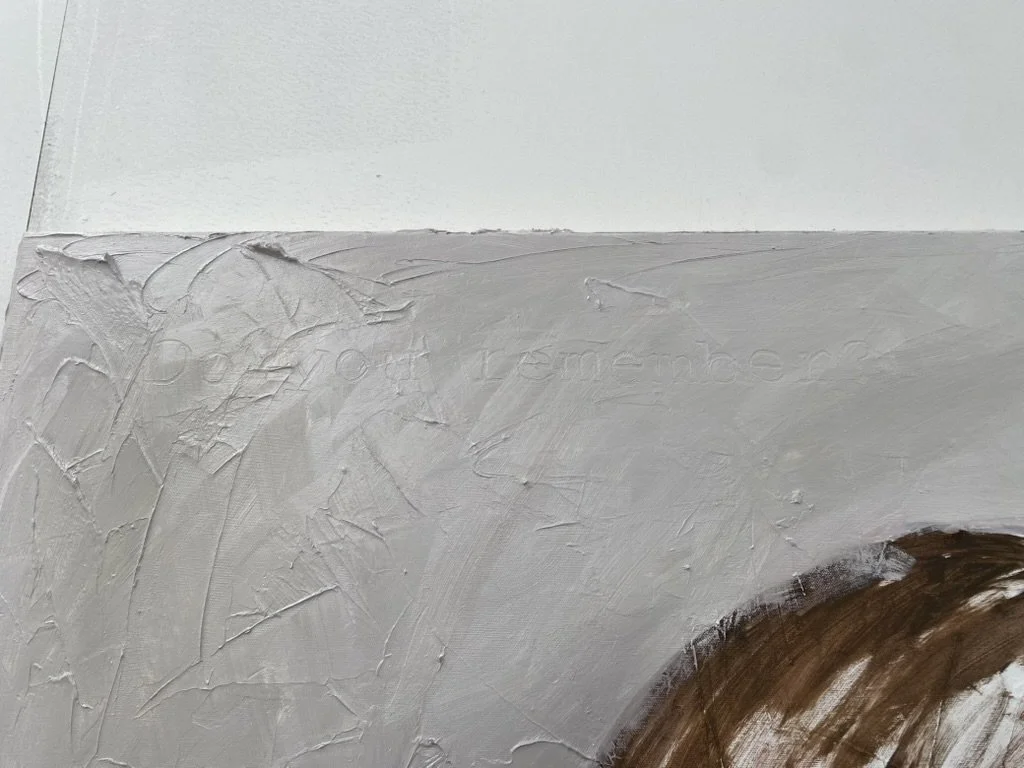
Figure 4. Acrylic texture on the background and engraved words.
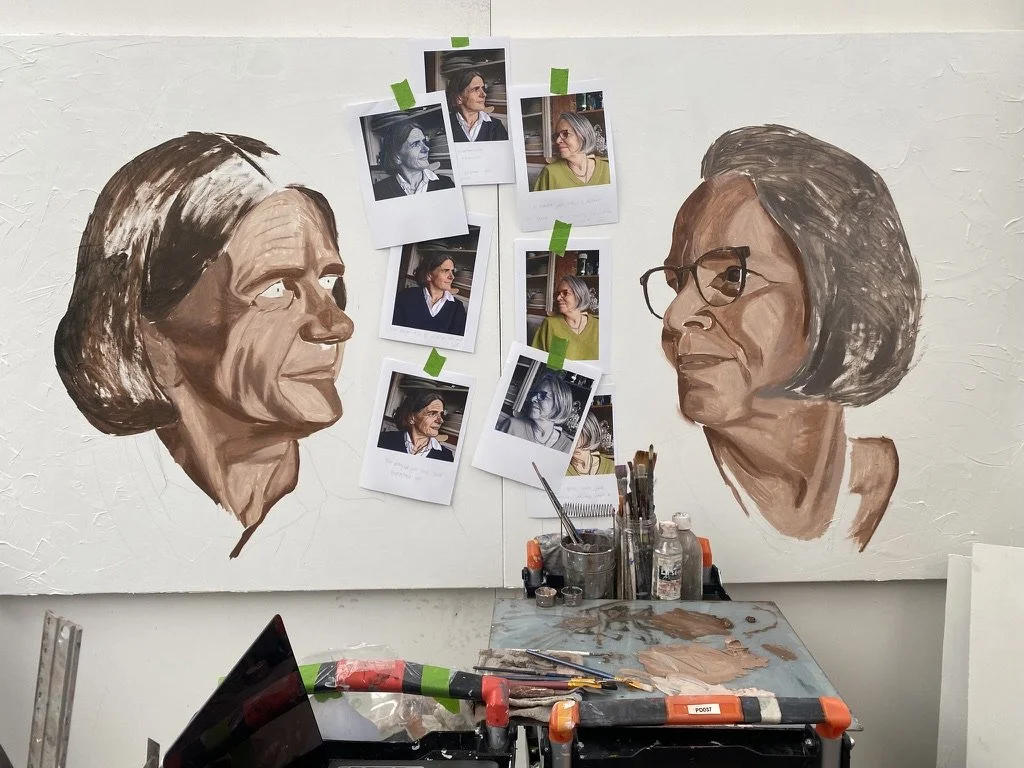
Figure 5. Underpainting and reference images and quotes.
Final Reflections on the Degree Show:
This was my first experience taking a work to full completion. Whilst I have of course ‘finished’ work before, the final touches that went into making this work ready to be shown to the public were surprisingly extensive. Producing this work also exemplified to me the benefits of heavily researching a painting before starting. I felt surer of my decisions as I was making them because I already had the interview script to sense check my choices. With more time I would have liked to introduce more colour into this painting. Having spent time since looking at Jenny Saville’s work I think my use of it was underdeveloped.
Overall producing this work challenged me to pursue a higher level of excellence in my technique and methods of research. I insured my work was genuinely informed by the research rather than my own aesthetic choices which made talking about the work much easier. Making this painting also helped me to reflect on the different benefits of long term friendships. In a society that can be quick to suggest cutting off people who don’t benefit you anymore, this exploration of friendship was a strong testament to the beauty of sticking with someone through all seasons of life.
Recent work.
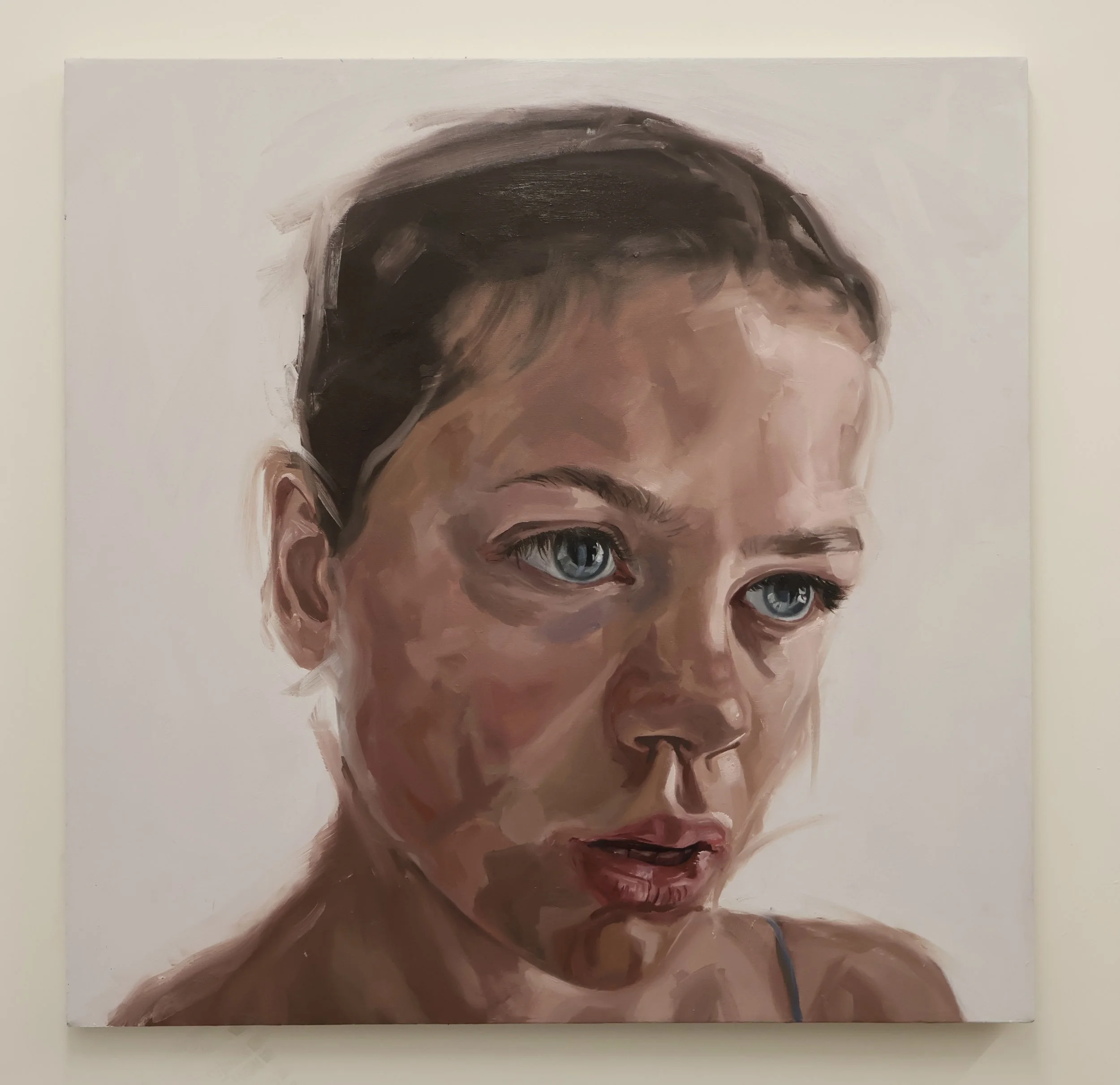
Flesh Glass and a Sour Taste, 2025, Oil on Canvas, 90 x 90 cm

Close up of 'Flesh Glass and a Sour Taste, 2025, Oil on Canvas, 90 x 90 cm'
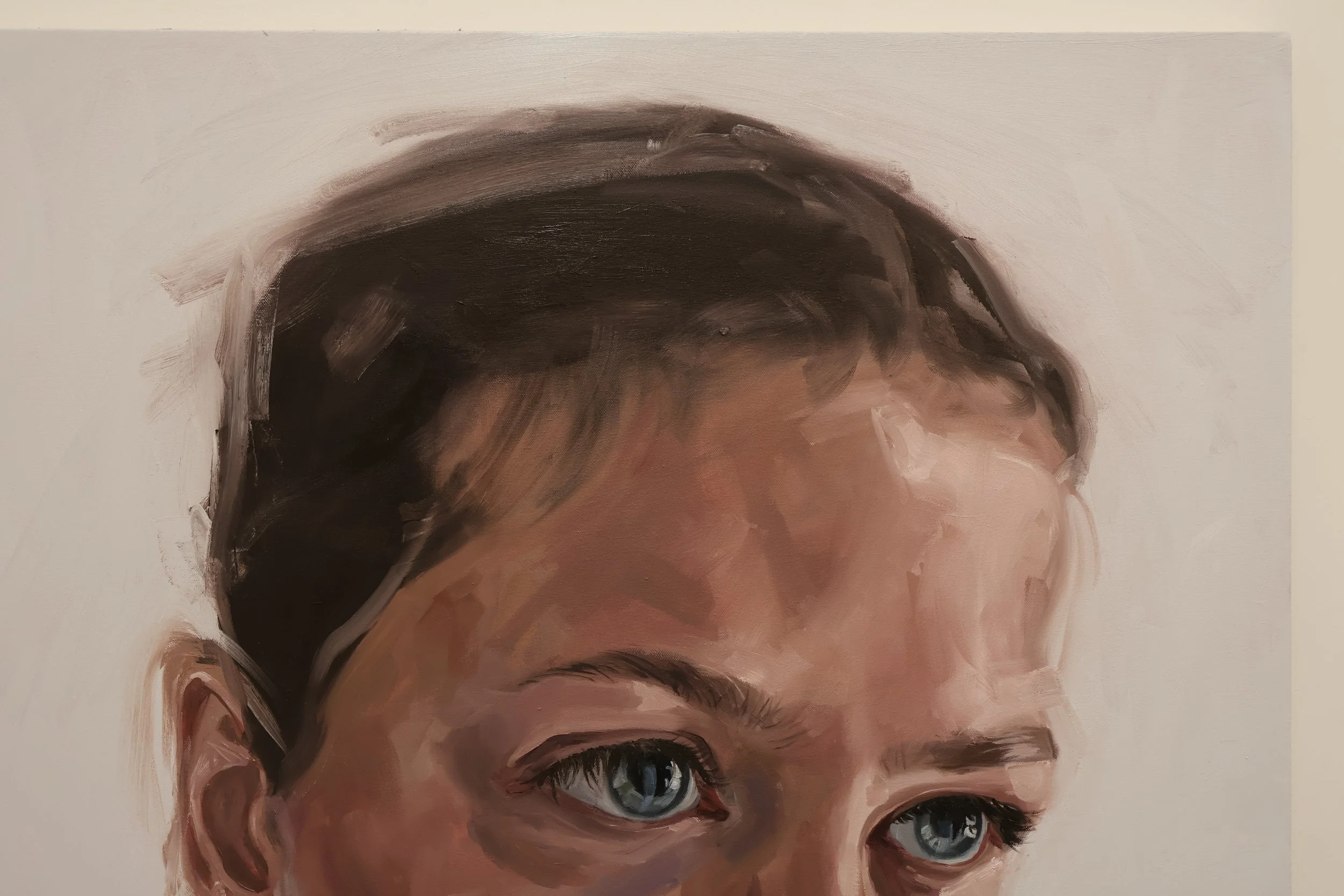
Close up of 'Flesh Glass and a Sour Taste, 2025, Oil on Canvas, 90 x 90 cm'
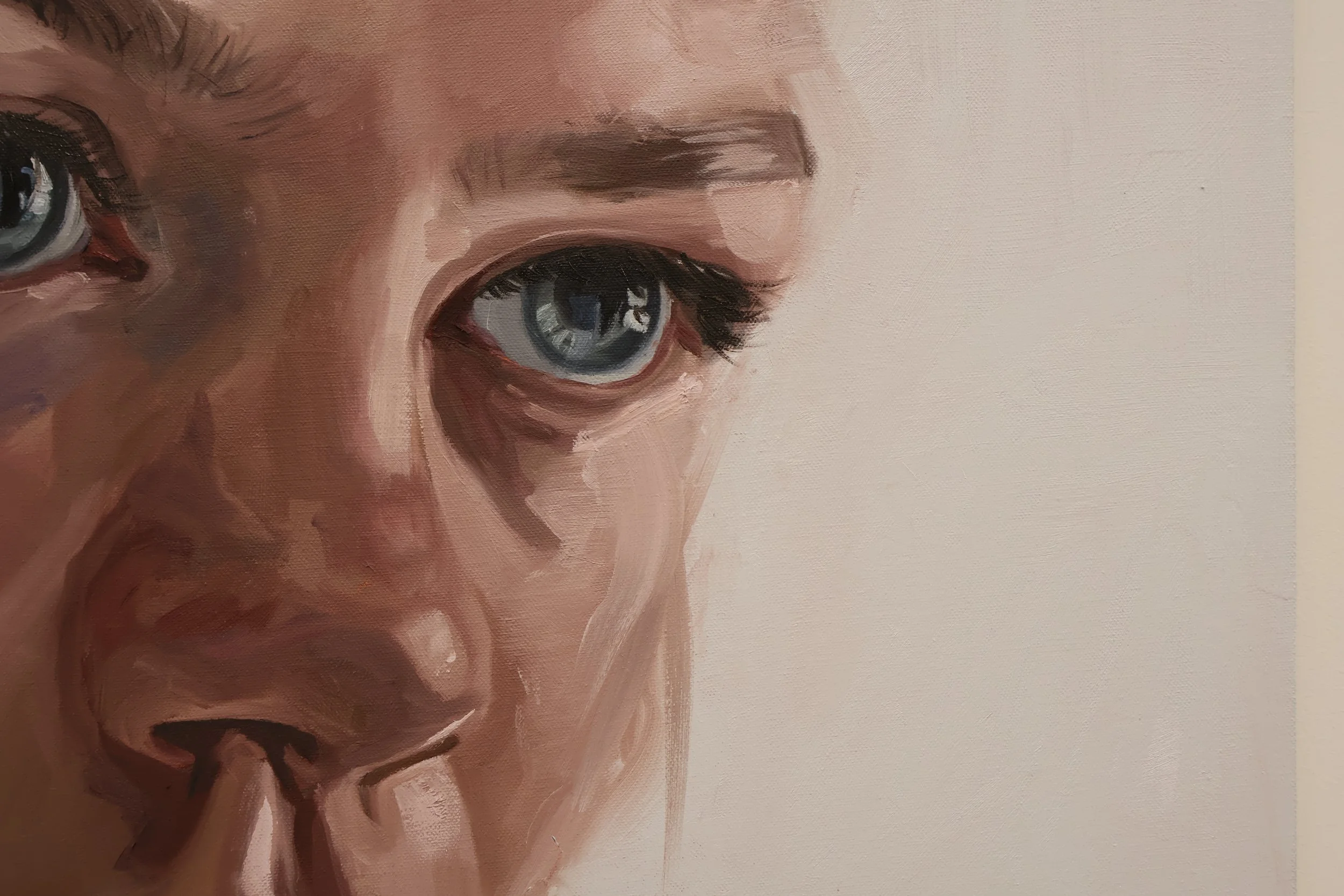
Close up of 'Flesh Glass and a Sour Taste, 2025, Oil on Canvas, 90 x 90 cm'
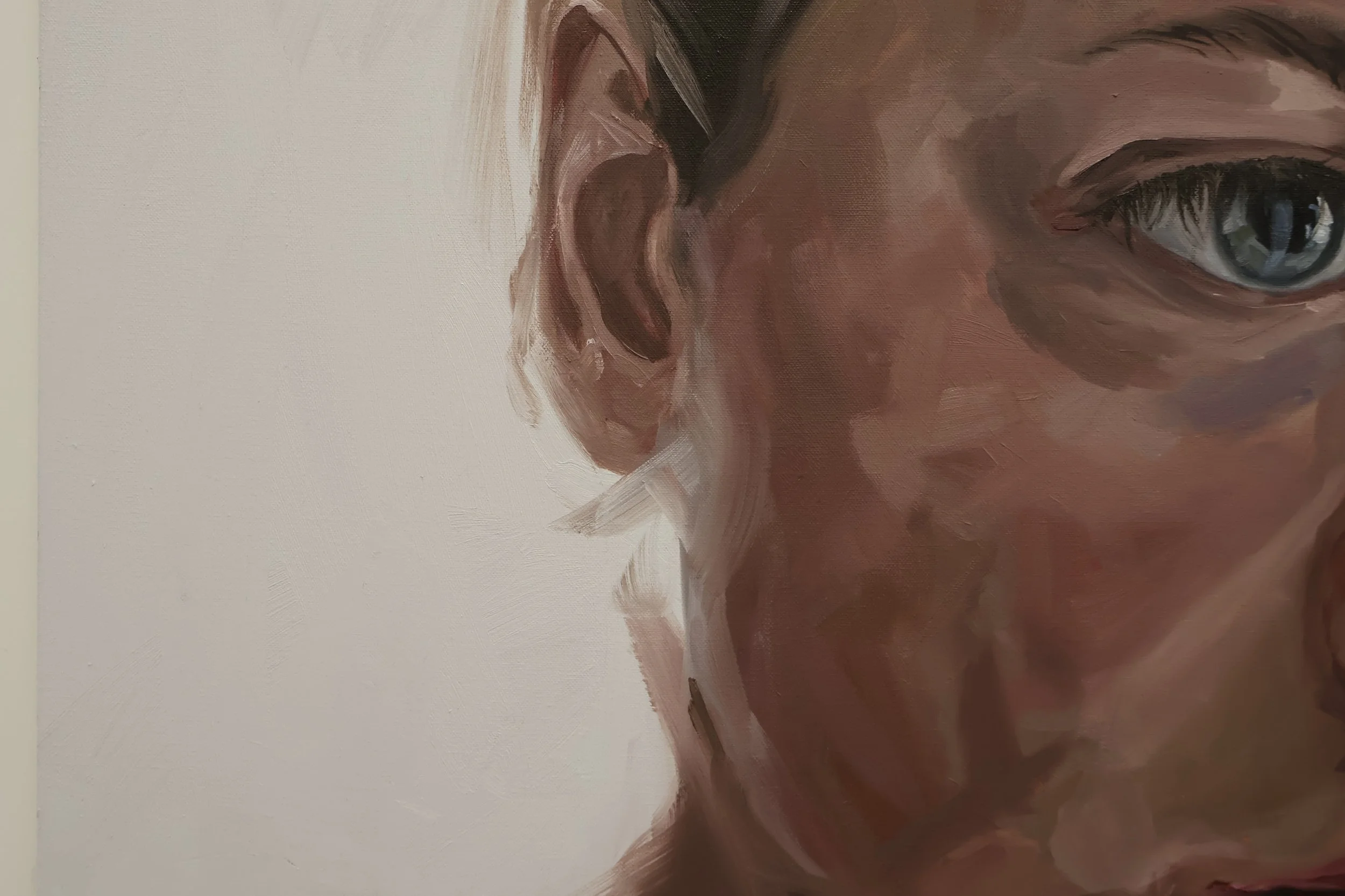
Close up of 'Flesh Glass and a Sour Taste, 2025, Oil on Canvas, 90 x 90 cm'
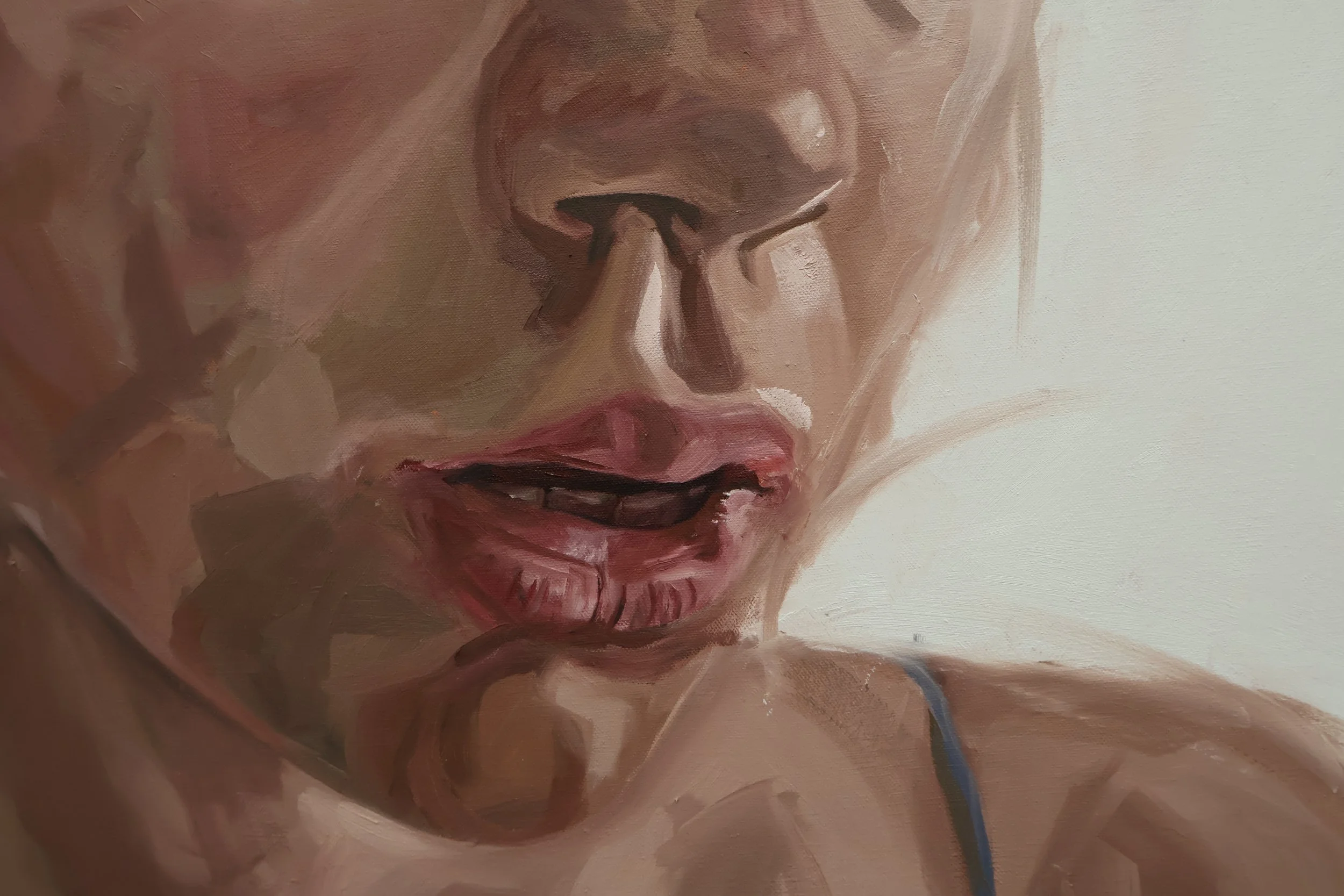
Close up of 'Flesh Glass and a Sour Taste, 2025, Oil on Canvas, 90 x 90 cm'
My most recent work ‘Flesh, Glass and a Sour taste’ is, I think, my most successful piece yet. Whilst I am the reference face, I do not consider this a self-portrait. I feel this painting is my best yet attempt at combining realism with representation to create emotion in my portraits. I drew heavily from the work of Jenny Saville to create this portrait - partly because I was writing my critical reflection about her whilst making it!
My intention for this portrait is that it will ask the viewer whether they can see themself in the subject. Have they ever felt glass like fragility in their skin or a sour sting in their throat as they look at the world or themselves? In the process of making this painting I was able spend time reflecting on how we embody what we see and feel in the world. This has led me to begin some preliminary reading into the subject of embodied trauma.
There are a few key technical decisions I made that contributed to the success of this piece:
I allowed the eyes to fully dry before painting in the highlights and eyelashes.
I was more selective with my brushes - using different ones for different desired textures.
I added bolder brushstrokes on top of dried sections of skin in order to give more visual depth e.g. in the bottom left corner of the cheek.
Deciding to push the paint beyond the boundaries of the face into the background helped the face sit more comfortably in the canvas. I did this when the background was wet to allow the two spaces to blur into each other. Interestingly this decision took place in the last half an hour of painting and was what made me feel the work was finished.
FINAL Reflections on Unit 3 visual practice
Making ‘29 Years’ and ‘Flesh Glass and a Sour taste’ has helped me reflect on what it means to see painting as a part of research rather than the product of research. Where as previously I would wait for a deep thought or great idea to come in order to make a painting, I have now experienced how painting can actually be part of the process by which we access thoughts and ideas. With this view I find the prospect of starting a new piece less daunting as it will merely be a continuation of my research. I am also no longer just learning more about technique as I paint but also about the subject matter, this has added a new level of purpose to why I paint.